—
—
—
Itong pagpapayaso ni Goldsmith ang kasong naiuugnay ko sa kasalukuyang isyu. Bukod dito, naaalala ko ang isang workshop night sa QC. Nakasalang ang isa kong akda, naka-set sa nudist camp, may Bly intertext, at kung kailangan ng social valency ay sige, may kung anong tinatalakay sa kasarian. Anything goes naman noon at walang hinihiling na tema. Tas bigla akong hinanapan ng mga ganito ng isang kasama, inilista pa sa amin ang mga ipinaglalaban ng kanyang mga drama, ang kanyang mga goals and objectives. Hindi ko magawang makalimutan dahil cute ang tono niyang profound.
Naaalala ko rin dito yung pinunupunto mo dati sa isang (deleted?) BBM-related status post tungkol sa original sin bilang analohiya o walang pinagkaiba sa historical culpability (kung gayon, mukhang Judeo-Christian ang frame ng paniningil mo rito). Kung dito magsisimula, mapapansin nga ang bleach effect ng othering na nagaganap. Hindi naman ang self-awareness ang maghuhugas ng kamay kundi ang praktis. Kaya’t mahalagang malaman kung naive ba o pa-naive ang mga bitaw na gaya nito: “In other words, the novel is about a world that has nothing to do at all with me or my tribe.”
Mahalaga pa ring buuin ang proyektong ito, ngunit bago ilathala, maaaring pag-isipan kung majujustify bang talaga ng discursive provocation (na posibleng spurious solidarity na maaaring maging ambag sa sistemiko na nga’t pang-araw-araw na karahasan sa antas ng representasyon, identidad) ang projected na kikitaing symbolic capital ng may-akda.
—
Salamat, at natagpuan ko uli itong BBM post! Oo sa lahat ng punto, dagdag lang na kapag hindi iginitna ang historical culpability (gaya ng iyong payo) ay tuluyang mawa-whitewash ang patuloy na pakikinabang ng mga next generation at the expense ng mga nirerepresent. At hindi simpleng commercial/monetary lamang ang form ng pakikinabang ng isa na siyang kaugnay sa “paglalapastangan” sa kabila (Foucauldian asymmetry of/as power).
Kailangang makita na isang worthy (at inherently fictional, literary) project ang pagkilala sa mga kaiba sa atin. Step into shoes, by all means, but without stepping on toes. Cautious lang tayo rito. Kaso, kahit lang sa limitadong espasyo ng sanaysay ni Ortega ay tunay namang makapaglalatag na ng kritik dahil may ilan na ngang problema. Bukod pa ito (kahit kaugnay) sa pagbabasa sa ipinapangakong nobela.
—
Matindi ang ambition at peril. Matutuwa ako kung lalabas na maganda at talagang mapagpalaya ang nobela (at kung poproblemahin nito ang mga kasalukuyang paraan ng pagtimbang ng “emancipatory”). Kaso sobrang letdown (wow, understatement ang letdown) kung idadagdag lang ito sa lista ni Ortega ng mga nagawaran ng mga award at mention at grant (symbolic capital) KUNG wala namang magaganap na pag-usad ng diskurso maliban dito sa I’m as other as could be from this other but so are the Americans aaiight? My novel won’t block future novelists. My novel won’t hurt.
—
Ipinapakita ang mga post na may etiketa na tablazon. Ipakita ang lahat ng mga post
Ipinapakita ang mga post na may etiketa na tablazon. Ipakita ang lahat ng mga post
Okt 22, 2015
Exhibits A, B, and C
There’s an exhibit at the Sining Makiling Art Gallery. Consilience runs until October 30. In it you will find the art and photography of the university’s scientists and artists. It also features three poems, my treasured collaborations with A dela Rosa, Tilde, and Karize Uy. You’ll also find Chris Tablazon’s videos (years ago, I viewed one of the two) and Jael Mendoza’s matchbox sets of miniature photographs (you’ll find a sample in the poster below).

In other news, Transit 5 came out this week. The works of Chris, Jesa Perl, and Yohan are treats. My Gatas Kontrabando 9/11 is in it, but I was hoping to get you interested in “The Second Law” up in Kritika Kultura.
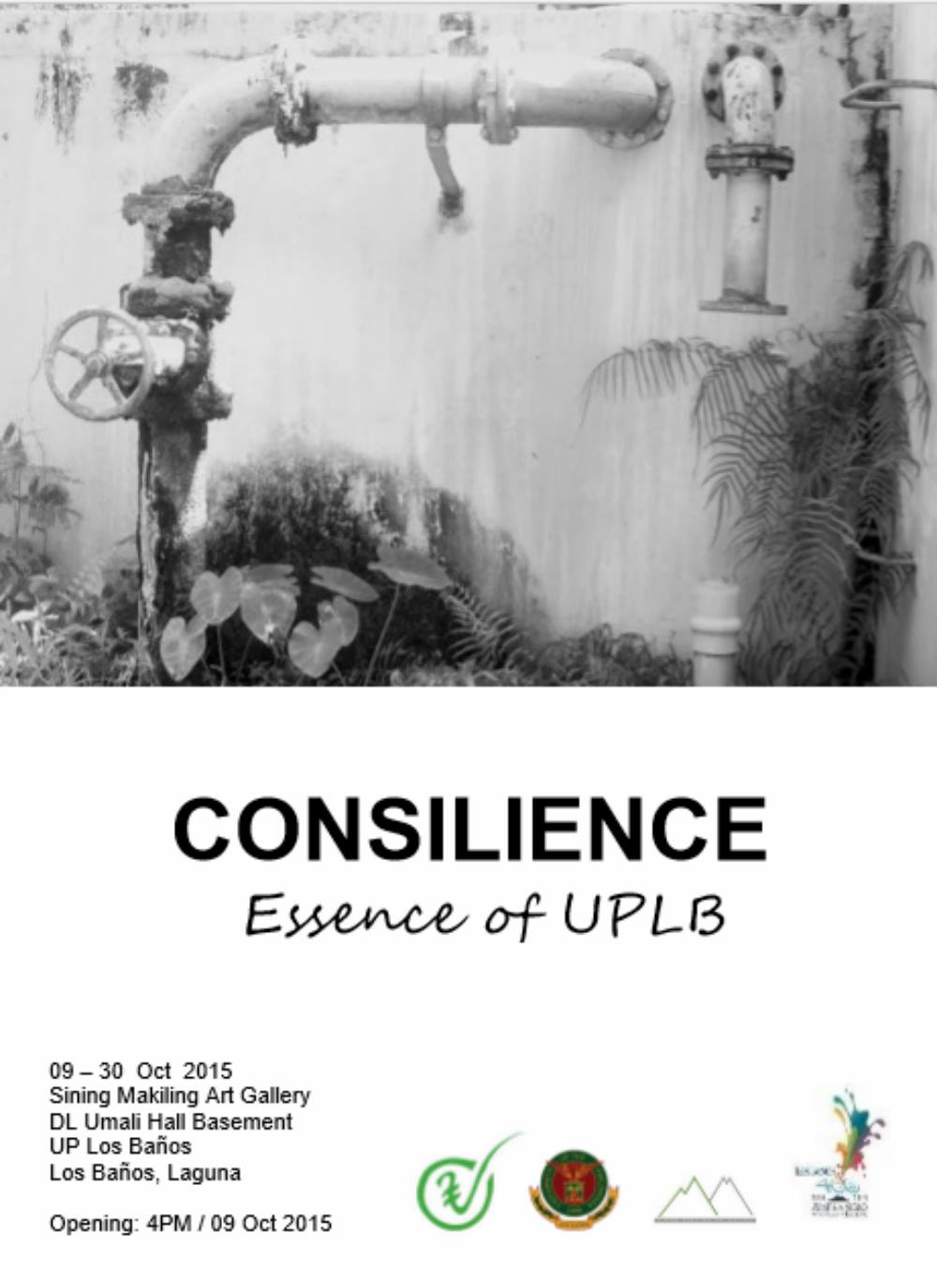
In other news, Transit 5 came out this week. The works of Chris, Jesa Perl, and Yohan are treats. My Gatas Kontrabando 9/11 is in it, but I was hoping to get you interested in “The Second Law” up in Kritika Kultura.
Mar 11, 2012
My Half of an Online Conversation about "Umaga ng Ika-13 ng Hunyo 2010, Labindalawang Oras Bago Ka Tuluyang Burahin ng Humaharurot na Trak sa Pagtawid Mo sa Meralco Avenue"
D– This is something Chris made available online in honor of Cesar's memory. Thought you might be interested to watch it.
M–
D– I was unfortunate not to know Cesar as much as either of you did, but Christian's piece left me with all kinds of warm. I think, as a literature teacher, most word-based expressions leave me quite cold, even the "literary" ones (especially those I myself have written). I'm grateful for anything that throbs with heart and has been tended with skill.
The part I liked was the idea of the droning background sound as Cesar's laughter synthetically stretched out to 12 minutes. In lesser hands, such an idea would blossom into nothing more than morbid. But because it was rendered the way it was, I read it as the operating principle of the art, an analogue to how human memory works when it tries its damnedest (through song, poetry, Taj Mahals, etc.) to capture the final moments of a friend or beloved.
It's Eurydice enough for me.
M–
D– It's stasis, as you pointed out. Stasis as paralysis, I think (with that Beckett biting the tail), but perhaps also as an ideal. A way of keeping a loss intact.
Thanks for sharing your thoughts on this one, M–. The laughter lines were mentioned at around the beginning. Four minutes into the clip, if I remember right. Hope you catch it. A line will ask about the sound, and another line will reply.
M–
M–
D– I was unfortunate not to know Cesar as much as either of you did, but Christian's piece left me with all kinds of warm. I think, as a literature teacher, most word-based expressions leave me quite cold, even the "literary" ones (especially those I myself have written). I'm grateful for anything that throbs with heart and has been tended with skill.
The part I liked was the idea of the droning background sound as Cesar's laughter synthetically stretched out to 12 minutes. In lesser hands, such an idea would blossom into nothing more than morbid. But because it was rendered the way it was, I read it as the operating principle of the art, an analogue to how human memory works when it tries its damnedest (through song, poetry, Taj Mahals, etc.) to capture the final moments of a friend or beloved.
It's Eurydice enough for me.
M–
D– It's stasis, as you pointed out. Stasis as paralysis, I think (with that Beckett biting the tail), but perhaps also as an ideal. A way of keeping a loss intact.
Thanks for sharing your thoughts on this one, M–. The laughter lines were mentioned at around the beginning. Four minutes into the clip, if I remember right. Hope you catch it. A line will ask about the sound, and another line will reply.
M–

Mag-subscribe sa:
Mga Post (Atom)